
Forbidden City, Beijing: An In-Depth Historical and Cultural Exploration
The Forbidden City is China’s historic imperial palace from the Ming and Qing dynasties. Now a UNESCO-listed Palace Museum, it embodies traditional architecture, imperial history, and cultural heritage.
Origins and Construction
The origins of the Forbidden City date back to the reign of Emperor Yongle of the Ming dynasty. In 1406, he ordered the construction of a grand imperial palace that would reflect the emperor’s absolute authority and embody the principles of traditional Chinese cosmology. The construction process involved over one million workers, including laborers, artisans, carpenters, and architects. By 1420, the Forbidden City was completed, creating a sprawling complex of nearly 980 buildings, surrounded by a massive defensive wall and a wide moat.

Architectural Marvels
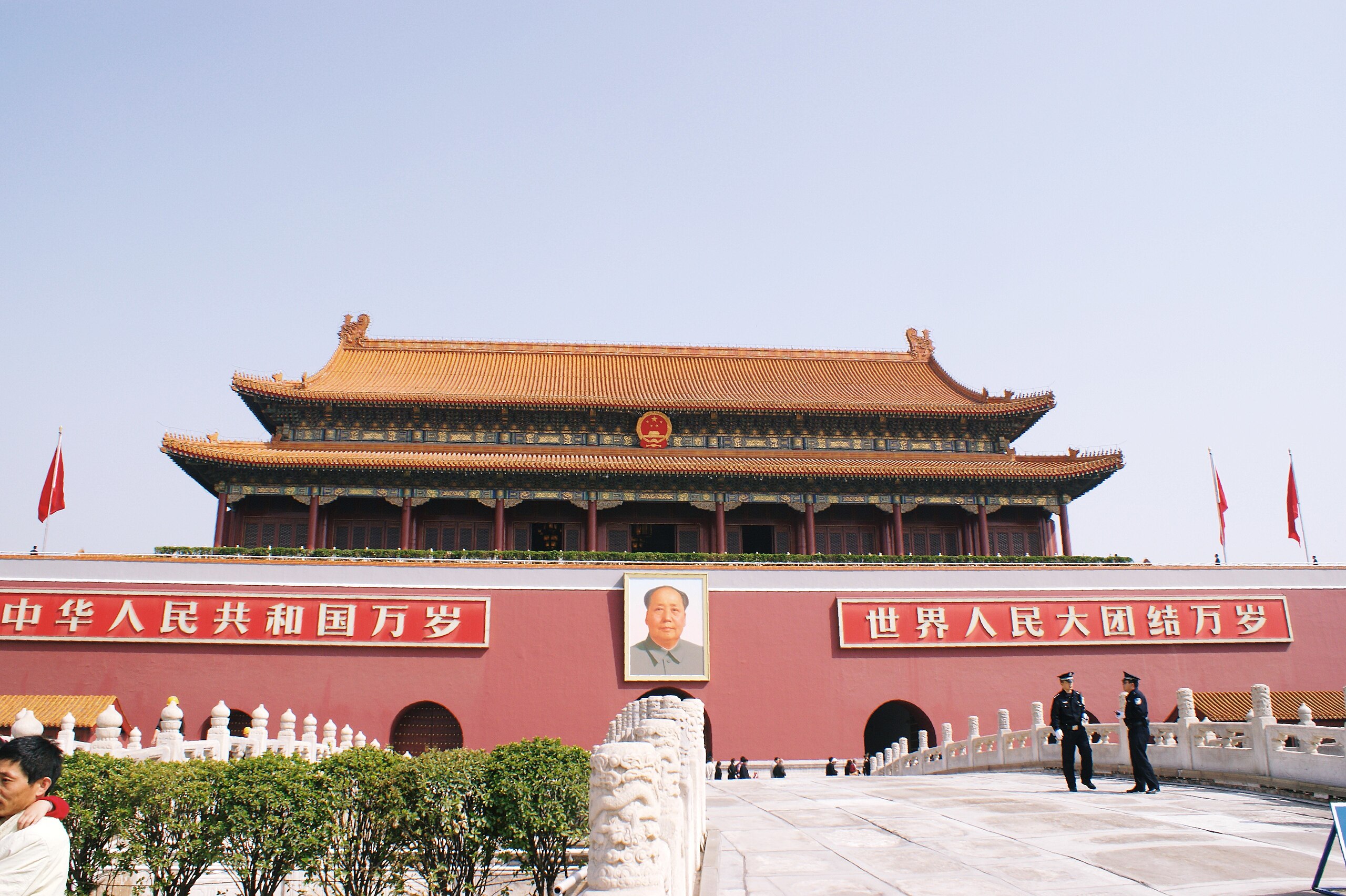
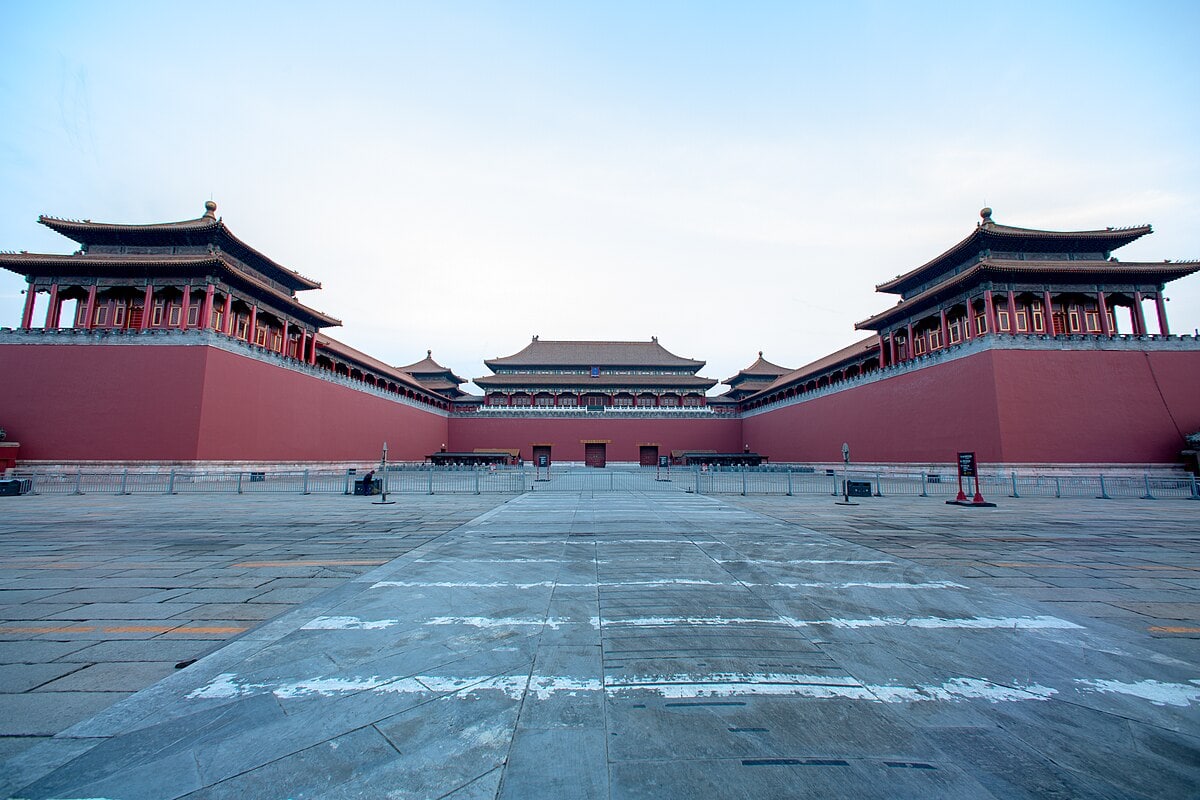
The Forbidden City is widely regarded as the pinnacle of traditional Chinese palatial architecture. Its design integrates aesthetics, symbolism, and functionality. Red walls symbolize happiness, and golden glazed tiles signify imperial supremacy. Intricate carvings of dragons, phoenixes, and other mythical creatures adorn beams, doors, and columns, reinforcing the emperor’s divine authority.

Key structures include the Hall of Supreme Harmony, Hall of Central Harmony, and Hall of Preserving Harmony in the Outer Court, used for grand ceremonies. The Inner Court includes the Palace of Heavenly Purity, the Hall of Union, and the Palace of Earthly Tranquility, serving as residences for the emperor, empress, and imperial family.
Gardens, Bridges, and Artistic Details
The Forbidden City features carefully designed gardens, bridges, and courtyards. The Imperial Garden, at the northern end, showcases ancient cypress trees, rockeries, ponds, and pavilions. The Long Corridor is adorned with thousands of paintings depicting Chinese legends, history, and folklore. Every detail reflects the harmony between nature and architecture.
Historical Significance
Over centuries, the Forbidden City witnessed the rise and fall of dynasties, political intrigues, and monumental historical events. Ming and Qing emperors ruled China from its halls, overseeing governance, diplomacy, and culture. The palace also survived periods of rebellion, foreign invasion, and the abdication of the last emperor, Puyi, in 1912.

Art, Culture, and Treasures
The Forbidden City houses vast collections of Chinese art, now preserved at the Palace Museum. Artifacts include imperial robes, calligraphy, paintings, ceramics, jade, and bronze items. Many were created by court artisans to glorify the emperor and reinforce cultural values.
Preservation and Modern Significance
Today, the Forbidden City is a living museum and a symbol of China’s cultural identity. Scholars study its architecture, decorations, and historical documents, while tourists explore its halls and gardens to experience imperial life firsthand. Preservation initiatives ensure that its grandeur remains intact for generations to come.


